
FASHION
Japan Camping Fashion: Where Function Meets Aesthetic

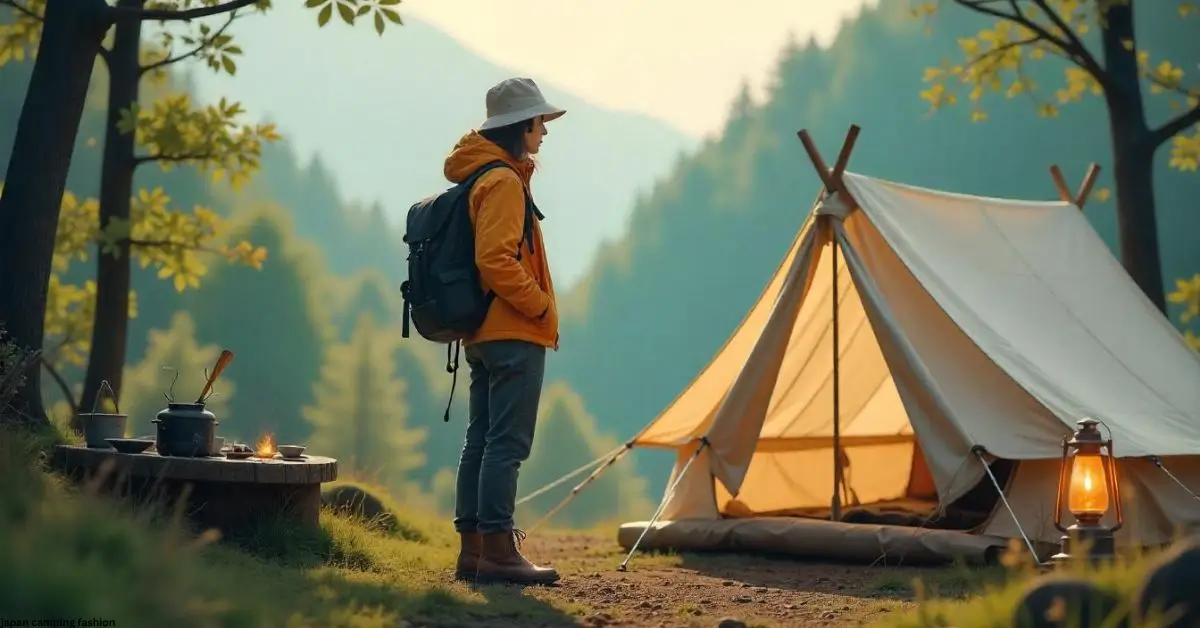
In recent years, Japan camping fashion has emerged as a global trend, captivating outdoor enthusiasts and fashion lovers alike. This unique style movement fuses practicality with minimalist design, offering not just clothing, but a lifestyle rooted in intentionality, nature appreciation, and functional elegance.
The Cultural Roots of Japan Camping Fashion
Nature and Simplicity Intertwined
Japanese culture has always maintained a deep connection with nature. This bond is reflected in outdoor wear that prioritizes not only protection but also serenity, elegance, and harmony. Clothing inspired by traditional garments—like layered kimonos and workwear—now integrates modern fabrics and construction. The result is gear that adapts seamlessly to outdoor adventures while echoing Japan’s cultural ethos.
Defining Features of Japan Camping Fashion
Earthy Colors and Weather-Friendly Materials
Muted palettes dominate the aesthetic—think olive green, beige, charcoal, and sand. These natural tones are chosen not just for visual harmony with the environment but also for their psychological calming effect. As for materials, expect technical yet natural-feeling fabrics like ripstop cotton, organic canvas, and waterproof nylon blends.
Layering That Adapts to Changing Conditions
Versatility is a key element. The traditional Japanese approach to layering—multiple light, adaptable pieces—lends itself perfectly to camping, where conditions can shift quickly. Breathable base layers, insulated mid-layers, and lightweight outer shells can be added or removed with ease.
Precision-Designed Accessories
Camping in Japan wouldn’t be complete without practical yet stylish accessories. Compact beanies, roll-top backpacks, multi-pocket vests, and sun-shielding hats are standard. Each serves a clear purpose while contributing to the overall aesthetic.
Why This Style Appeals Globally
Emotional Benefits of Intentional Dress
People are increasingly drawn to clothing that serves both physical and emotional needs. Japan’s outdoor fashion is designed to reduce mental clutter—offering pieces that are easy to wear, adapt to various environments, and reduce decision fatigue. There’s comfort in knowing your gear won’t fail you, and that you’ll look good doing whatever nature throws your way.
Aesthetics with Purpose
Unlike many utilitarian camping styles that prioritize function over form, this approach refuses to compromise. Each jacket, pant, or pack is beautiful without being flashy—designed to blend into both wild landscapes and urban settings.
Comparative Insight: Japan Camping Fashion vs. Western Gear
| Feature | Japan Camping Fashion | Traditional Camping Gear |
| Cost | Mid to high (quality-focused) | Mid-range to high |
| Functionality | High, multi-use design | High, but often single-purpose |
| Comfort | Tailored, ergonomic fits | Bulkier but protective |
| Design | Minimal, clean, elegant | Practical, rugged, less stylish |
| Durability | Emphasis on longevity | Emphasis on ruggedness |
Evolution of the Trend
From City Streets to Forest Paths
This fashion movement began subtly—born from the outdoor needs of urban Japanese citizens seeking weekend escapes to the countryside. It quickly gained momentum as minimalist values and slow living became more popular post-pandemic. Now, it’s not unusual to see the same outfit worn on a forest trail and at a Tokyo café.
Influence of Japanese Craftsmanship
Rooted in centuries-old traditions of precision and quality, modern Japanese outdoor brands apply the same principles of attention to detail. Garments often feature hidden zippers, articulated knees, reinforced seams, and modular components that enhance performance without compromising style.
Sustainability as a Standard, Not a Trend
Sustainability is central to the ethos of Japan camping fashion. Many products are crafted with recycled materials, and some even offer lifetime repairs—encouraging consumers to buy less but choose better. Waste reduction and long-term utility are seen as expressions of respect for nature and the self.
Year-Round Versatility: Seasonal Adaptations
Spring/Summer
For warm-weather trips, breathable fabrics and UV-protective layers are the norm. Items like ventilated shirts, lightweight hats, and quick-dry shorts dominate. Shoes are often breathable trail runners or terrain-appropriate sandals with grip soles.
Fall/Winter
When temperatures drop, style remains intact with down-insulated coats, fleece base layers, and thermal accessories. Outerwear often comes with waterproof coatings, storm flaps, and windproof panels—proving you don’t have to compromise warmth for style.
Aesthetic Meets Utility: Iconic Garments
- Technical Ponchos: Designed for surprise rain or cooler evenings, these can double as tarps or ground covers.
- Convertible Pants: Zip-off designs that switch from full pants to shorts.
- Workwear-Inspired Jackets: Sturdy yet refined, with multiple utility pockets.
- Bucket Hats: Offering sun protection and packability.
- Thermal Mid-Layers: Lightweight insulation for layering under shells.
Shopping Mindfully for Japan Camping Fashion
Tips for Building a Capsule Collection
- Stick to a Color Palette: Neutrals mix and match effortlessly.
- Prioritize Layering: Invest in base layers, a mid-layer fleece, and a versatile outer shell.
- Look for Multi-Use Pieces: Jackets that turn into vests or blankets, pants that unzip, etc.
- Focus on Fit and Function: Japanese designs often emphasize mobility—don’t compromise on comfort.
- Avoid Fast Fashion: Choose pieces meant to last.
Not Just Fashion—It’s a Lifestyle
Camping in Japan is seen not as rugged survivalism but as a form of restorative escape. Everything—from meals cooked on minimal gear to neatly organized tents—reflects mindfulness. The fashion mirrors this, emphasizing a sense of peace, intention, and care in every stitch and zipper.
Many followers of the style appreciate how it subtly communicates values like respect for nature, efficiency, and calm. Wearing these pieces becomes a way of reinforcing that identity.
The Emotional Allure of the Outdoors
In an increasingly digital and fast-paced world, Japan camping fashion offers something deeply emotional: control, calm, and clarity. It enables people to be prepared while feeling grounded and connected. This psychological security—combined with visual appeal—explains why the trend is resonating far beyond Japan’s borders.
A Balanced Outlook: Functional Yet Stylish
The style fills a long-neglected gap between rugged outdoorwear and everyday fashion. You don’t need to sacrifice one for the other. Whether navigating a mossy forest trail or brewing pour-over coffee at a mountaintop lookout, you can feel both prepared and presentable.
Future Outlook: Where the Trend is Headed
Looking forward, we may see:
- Smart Textiles: Incorporating solar-powered fabric panels or thermal regulation tech.
- Genderless Collections: Continuing to blur traditional boundaries in design.
- Hyper-Compact Gear: Even more lightweight, packable innovations.
- Eco-Fiber Expansion: Greater use of biodegradable or plant-based materials.
While innovation continues, the core values of balance, mindfulness, and quality will remain unchanged.
Conclusion
At its core, Japan camping fashion is about embracing nature without abandoning style or ethics. It meets the modern adventurer’s desire for simplicity, emotional well-being, and preparedness—all while reflecting a deeply respectful relationship with the environment. For those seeking to camp smarter and live more intentionally, this fashion approach offers the perfect path forward.
FAQs
What defines Japan camping fashion?
It’s a minimalist outdoor style focused on neutral colors, functional layering, and sustainable materials. It merges aesthetics with utility for nature-based living.
Can I wear these clothes outside of camping?
Yes, the style is designed to be versatile—appropriate for both outdoor activities and everyday urban settings.
Is Japan camping fashion expensive?
While some items can be pricier due to quality and sustainability, many consider them long-term investments because of their durability and adaptability.
What are essential items to start with?
A good starter kit includes cargo pants, a layered jacket, a breathable shirt, and compact accessories like a bucket hat or utility vest.
How do I maintain the clothing?
Follow care instructions carefully—often cold wash and air dry. Many pieces are designed to last for years with proper upkeep.
Is this trend gaining popularity outside Japan?
Yes, the fashion has found fans across Europe, North America, and Southeast Asia, especially among minimalist lifestyle followers and urban campers.
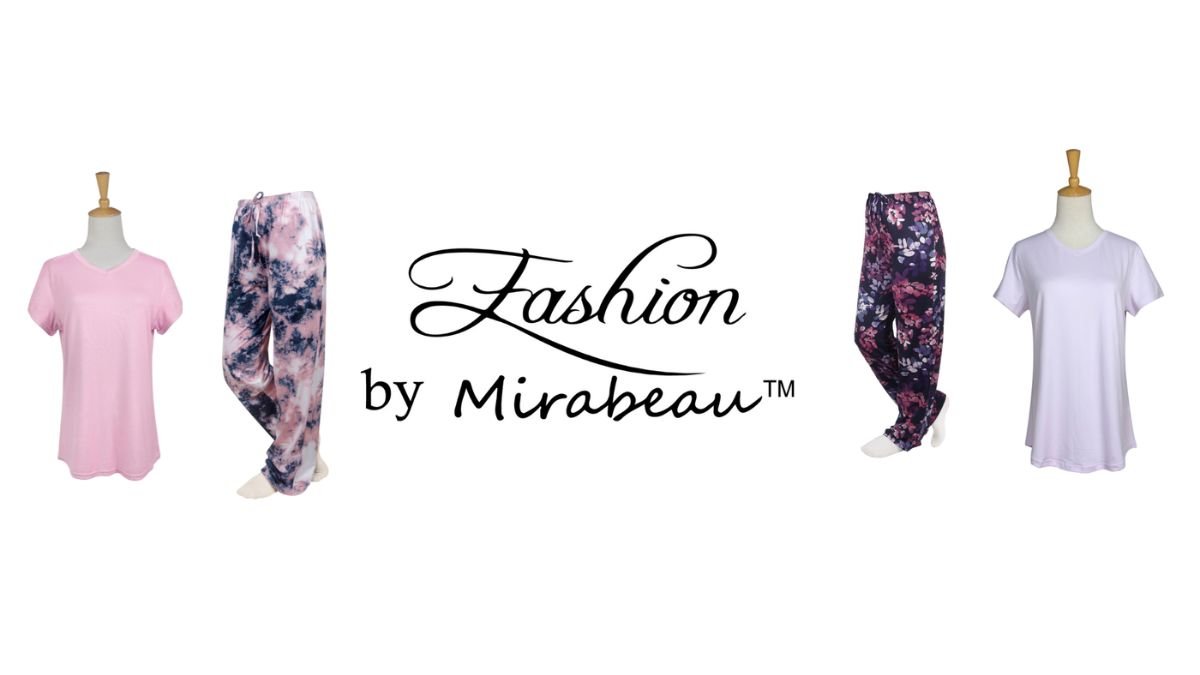
Fashion by Mirabeau pajamas have become a quiet symbol of refined comfort. Designed for women who value both style and relaxation, these pajamas go beyond basic sleepwear. They reflect a lifestyle rooted in elegance, softness, and attention to detail. Whether you are winding down after a long day or enjoying a slow weekend morning, Mirabeau brings a touch of luxury to your everyday routine.
The Story Behind Fashion by Mirabeau Pajamas
Fashion by Mirabeau is inspired by European sophistication and classic femininity. The brand focuses on creating premium loungewear that feels just as beautiful as it looks. Each pajama set reflects thoughtful craftsmanship, from fabric selection to stitching details.
Unlike mass-produced nightwear, Mirabeau pajamas emphasize timeless fashion rather than seasonal trends. The brand’s philosophy centers around quality over quantity. This commitment allows wearers to invest in pieces that stay stylish and comfortable for years.
Premium Fabrics That Redefine Comfort
One of the standout features of Fashion by Mirabeau pajamas is the use of high-quality fabrics. Soft cotton blends, breathable modal, and silky finishes create a gentle feel against the skin. These materials help regulate body temperature, making the pajamas suitable for both warm and cool nights.
Comfort is not just about softness; it is about how the garment moves with your body. Mirabeau designs prioritize flexibility and lightweight structure. The result is sleepwear that feels luxurious without being heavy, restrictive, or overly delicate.
Elegant Designs for Modern Women
Fashion by Mirabeau pajamas combine classic cuts with modern touches. You will often see tailored silhouettes, delicate piping, subtle prints, and neutral color palettes. These details create a polished look that feels sophisticated even at home.
The brand understands that loungewear is no longer hidden from view. With the rise of stylish home living and relaxed fashion, elegant pajamas can double as chic indoor outfits. Mirabeau pieces easily transition from bedtime to breakfast, maintaining both comfort and style.
Perfect Fit and Flattering Silhouettes
Fit plays a major role in the overall experience of luxury sleepwear. Fashion by Mirabeau pajamas are designed to offer a flattering yet relaxed shape. The cuts provide enough room for comfort while still enhancing natural body lines.
Elastic waistbands, adjustable ties, and thoughtfully placed seams improve wearability. Instead of feeling oversized or shapeless, the pajamas maintain structure. This careful balance between comfort and tailoring makes them suitable for different body types.
Why Fashion by Mirabeau Pajamas Stand Out
The sleepwear market is filled with options, but Mirabeau stands apart because of its attention to detail and commitment to quality. From stitching to fabric durability, every element feels intentional. The brand does not rely on flashy logos; instead, it builds trust through consistent craftsmanship.
Customers often appreciate the long-lasting nature of these pajamas. Even after multiple washes, the color and softness remain intact. This durability, combined with elegant design, makes Fashion by Mirabeau pajamas a worthwhile investment in everyday luxury.
Styling Tips for Luxury Loungewear
Fashion by Mirabeau pajamas can be styled beyond the bedroom. Pair a pajama top with tailored trousers for a relaxed yet refined daytime look. Layering with a soft cardigan or lightweight robe enhances both warmth and sophistication.
Neutral tones and subtle patterns make these pieces easy to mix and match. By combining comfort-focused fashion with modern styling, Mirabeau sleepwear supports the growing trend of elevated loungewear. It proves that comfort and elegance can coexist effortlessly.
Conclusion
Fashion by Mirabeau pajamas represent more than simple nightwear. They embody luxury sleepwear designed with intention, quality, and timeless appeal. With premium fabrics, flattering silhouettes, and elegant details, these pajamas offer a refined approach to comfort. For anyone seeking stylish loungewear that feels as good as it looks, Mirabeau delivers a balanced blend of softness and sophistication.
FAQs
What are Fashion by Mirabeau pajamas known for?
They are known for their premium fabrics, elegant design, and long-lasting comfort.
Are Mirabeau pajamas suitable for all seasons?
Yes, the breathable materials make them comfortable in both warm and cooler weather.
Do Fashion by Mirabeau pajamas run true to size?
Most designs offer a relaxed yet tailored fit that generally runs true to size.
Can these pajamas be worn as loungewear?
Absolutely. Their refined design makes them ideal for both sleeping and stylish lounging.
How should I care for Mirabeau pajamas?
Gentle washing with mild detergent and air drying helps maintain softness and fabric quality.
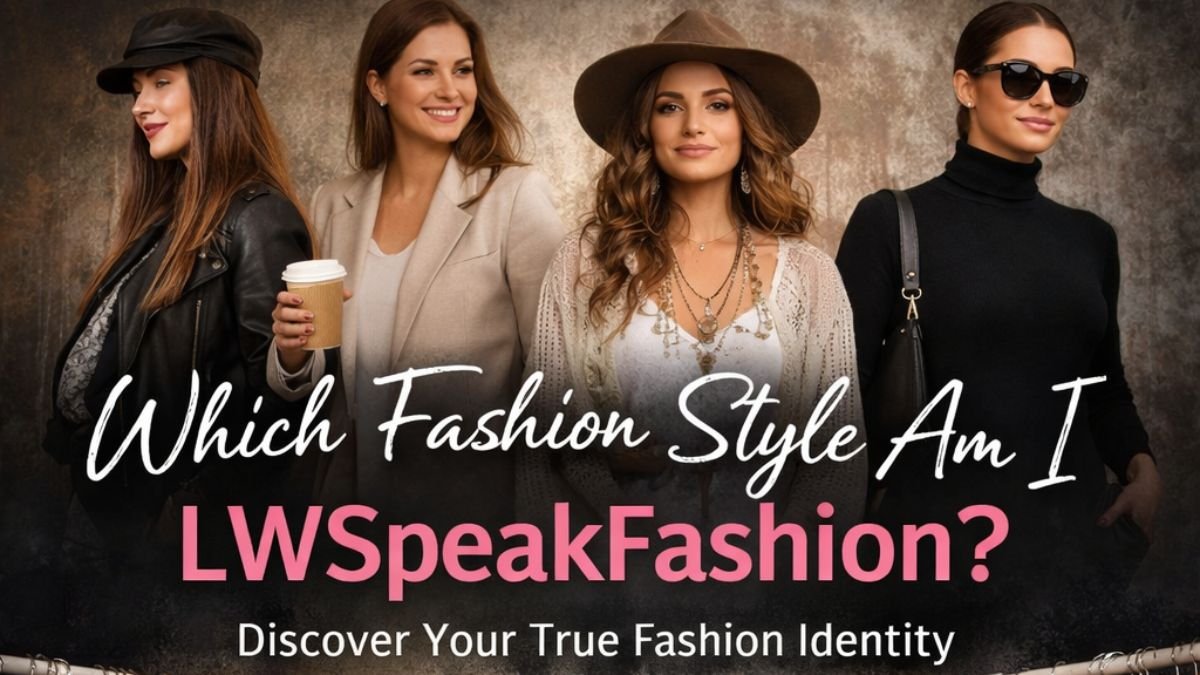
Fashion is more than just clothing. It is a personal language that speaks before you do. If you’ve ever stood in front of your wardrobe wondering, “which fashion style am I lwspeakfashion?”, you’re not alone. Many people struggle to define their personal style because trends move fast and inspiration comes from everywhere. The good news is that discovering your fashion identity doesn’t have to be complicated. With the right approach, you can build a wardrobe that feels authentic, confident, and completely you.
Understanding the Meaning Behind “Which Fashion Style Am I LWSpeakFashion”
The phrase “which fashion style am I lwspeakfashion” reflects a desire for clarity in personal styling. It combines self-discovery with modern fashion guidance, focusing on identifying your signature look. Instead of copying influencers or chasing seasonal fashion trends, this concept encourages you to explore your natural preferences. Your lifestyle, personality, and comfort level all influence your style identity. LWSpeakFashion represents a mindset of thoughtful styling rather than random outfit choices.
When you understand your style foundation, shopping becomes easier and more intentional. You stop buying clothes you never wear. Instead, you create a capsule wardrobe built around flattering silhouettes and timeless pieces. This approach saves money and boosts confidence at the same time.
Identifying Your Core Fashion Personality
To answer “which fashion style am I lwspeakfashion,” you need to look inward first. Are you drawn to clean lines and neutral colors, or do you prefer bold prints and statement pieces? Your daily routine also plays a role. A corporate professional may lean toward classic or minimalist fashion, while a creative personality might embrace bohemian or edgy aesthetics.
Think about the outfits that make you feel powerful and comfortable. Personal style is not about perfection; it is about authenticity. When your clothing reflects who you are, your body language changes. Confidence becomes natural rather than forced. This is the real power behind understanding your fashion personality.
Popular Fashion Styles You Might Connect With
Many people searching “which fashion style am I lwspeakfashion” are trying to place themselves into a recognizable category. Some common style identities include minimalist, classic, streetwear, chic, romantic, and sporty. Minimalist fashion focuses on neutral tones and structured tailoring. Classic style values timeless pieces like blazers and tailored trousers. Streetwear blends casual comfort with bold urban influence.
Chic fashion emphasizes elegance with modern sophistication, while romantic style highlights soft fabrics and delicate details. Sporty style prioritizes comfort with an athletic edge. You may find that you relate to more than one category, and that is perfectly normal. Personal style often blends multiple aesthetics into something unique.
How Lifestyle Shapes Your Wardrobe Choices
Your daily environment has a major impact on your fashion decisions. When asking “which fashion style am I lwspeakfashion,” consider how you spend your time. If your work requires professional attire, structured outfits may dominate your closet. If you work remotely or study, comfort-driven fashion may feel more natural.
Climate also influences style. Lightweight fabrics, layering techniques, and seasonal color palettes help shape your overall look. Your social life, hobbies, and cultural influences further define your fashion direction. True style alignment happens when your wardrobe supports your real life, not an imagined one.
Building a Signature Look That Feels Authentic
Once you identify your fashion personality, focus on building a signature look. A signature style might include specific colors, accessories, or silhouettes that appear consistently in your outfits. For example, you may always wear gold jewelry, oversized blazers, or monochrome outfits. These elements become part of your fashion identity.
Answering “which fashion style am I lwspeakfashion” ultimately means creating visual consistency. Invest in quality basics and mix them with expressive pieces that highlight your individuality. Pay attention to fabric texture, layering, and proportion. Over time, your wardrobe will naturally reflect a cohesive and polished image.
Avoiding Common Style Mistakes
Many people make the mistake of following every trend without considering personal fit. This leads to closet clutter and confusion. When exploring “which fashion style am I lwspeakfashion,” avoid comparing yourself constantly to others. Social media inspiration should guide, not control, your fashion choices.
Another mistake is ignoring body shape and comfort. Style should enhance your natural features rather than hide them. Focus on flattering cuts and balanced proportions. When comfort meets confidence, your overall appearance improves effortlessly.
Conclusion: Embrace the Style That Speaks for You
Finding the answer to “which fashion style am I lwspeakfashion” is a journey of self-awareness and creativity. Your personal style is not about labels or expensive brands. It is about alignment between who you are and what you wear. When your wardrobe reflects your personality, daily dressing becomes simple and enjoyable.
Take time to explore silhouettes, colors, and textures that resonate with you. Build a versatile wardrobe that supports your lifestyle and goals. Fashion should feel empowering, not overwhelming. Once you understand your style identity, you will never feel lost in your closet again.
FAQs
What does “which fashion style am I lwspeakfashion” mean?
It refers to discovering your personal fashion identity using a thoughtful and self-aware styling approach.
How can I find my true fashion style?
Start by analyzing your favorite outfits, lifestyle needs, and comfort preferences to identify patterns.
Can I have more than one fashion style?
Yes, many people blend different style aesthetics to create a unique and personalized look.
Does body type affect personal style?
Yes, understanding your body shape helps you choose flattering silhouettes that enhance confidence.
How often should I update my wardrobe?
Update your wardrobe seasonally or when your lifestyle changes, but focus on timeless essentials over fast trends.
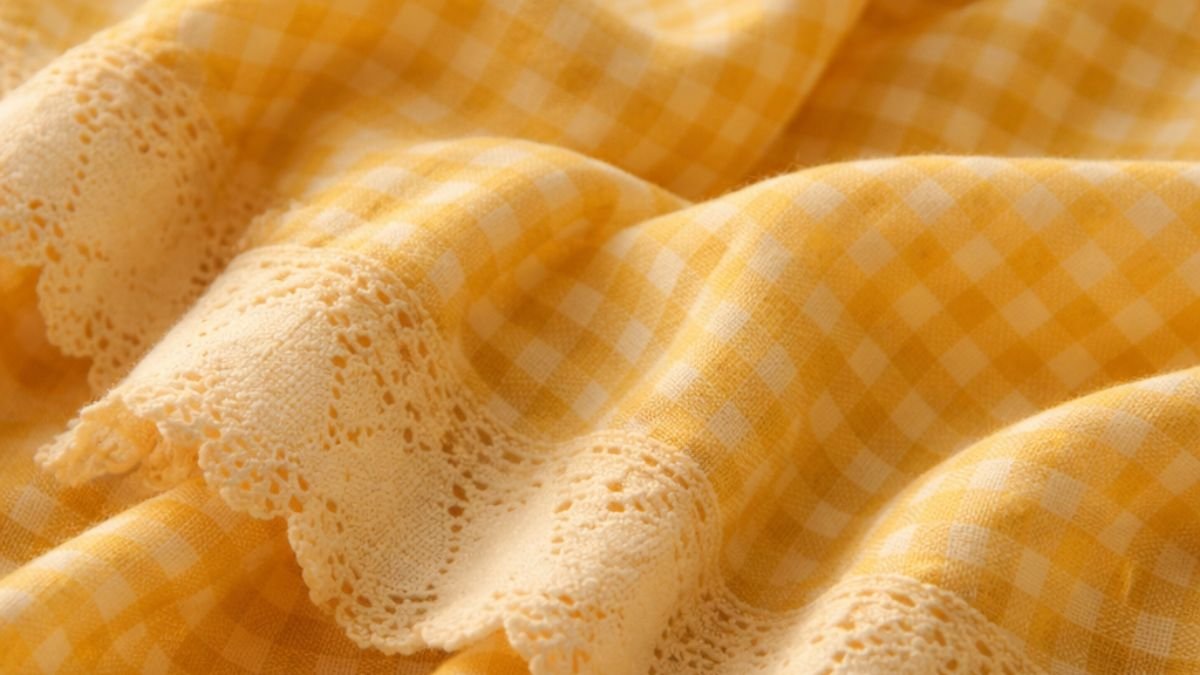
Old-fashioned yellow cloth carries a quiet charm that modern fabrics often lack. Its warm tone, slightly faded texture, and handmade feel instantly bring a sense of nostalgia. Whether found in a grandmother’s kitchen, an antique trunk, or a vintage fabric shop, this timeless textile tells a story. From traditional household use to decorative and fashion purposes, old-fashioned yellow cloth remains a symbol of simplicity and warmth. In this article, we’ll explore its history, characteristics, cultural value, and modern appeal.
The Historical Roots of Old-Fashioned Yellow Cloth
Long before synthetic dyes became common, yellow cloth was often colored using natural sources like turmeric, saffron, onion skins, or marigold flowers. These plant-based dyes gave fabric a soft golden or mustard hue that aged beautifully over time. In many rural communities, this cloth was woven from cotton or linen using handlooms, giving it a slightly uneven but authentic texture.
Old-fashioned yellow cloth was widely used in households for table covers, cleaning rags, aprons, and curtains. Because natural dyes faded gradually, the cloth developed a warm, antique appearance rather than losing its charm. This gentle aging process is one reason vintage textiles are still admired today.
Unique Characteristics and Fabric Quality
One of the most noticeable features of old-fashioned yellow cloth is its earthy tone. Unlike modern neon or bright synthetic yellows, the shade tends to be soft, muted, and comforting. The fabric often feels breathable and lightweight, especially if made from pure cotton or linen.
Another important feature is durability. Traditional weaving techniques produced sturdy cloth that could withstand daily use. Even after years of washing, the fibers remained strong. Slight imperfections in the weave or color were considered natural and added character. These details make antique fabric pieces highly valued among collectors and designers.
Cultural and Symbolic Meaning
In many cultures, yellow symbolizes warmth, positivity, and prosperity. Old-fashioned yellow cloth was sometimes used in religious ceremonies, festive decorations, or traditional clothing. The color represented sunlight and life, making it meaningful beyond its practical use.
In South Asian traditions, for example, yellow garments are worn during certain celebrations and rituals. Similarly, in European farmhouses, yellow kitchen textiles symbolized cleanliness and cheerfulness. The emotional connection attached to this fabric helped preserve its importance across generations.
Uses in Traditional Homes
Old-fashioned yellow cloth played a major role in daily domestic life. It was commonly used for polishing furniture, covering bread dough, wrapping food, and even crafting handmade quilts. Because cotton absorbs moisture well, it became a practical choice for kitchen and cleaning tasks.
Beyond function, it also added visual warmth to simple interiors. A yellow tablecloth or curtain could brighten a wooden room and create a welcoming atmosphere. Even today, vintage-inspired homes use similar fabrics to achieve a rustic, farmhouse aesthetic.
Modern Revival and Vintage Appeal
In recent years, there has been a renewed interest in sustainable and vintage textiles. Many interior designers and fashion enthusiasts are turning back to natural fabrics and earthy tones. Old-fashioned yellow cloth fits perfectly into this trend. Its eco-friendly dye origins and handmade texture align with modern values of sustainability and authenticity.
Upcycled clothing, patchwork cushions, and retro kitchen décor often feature soft mustard or faded yellow fabric. The imperfect, aged look gives character to minimalist spaces. Instead of appearing outdated, the cloth now feels classic and timeless.
How to Care for Vintage Yellow Fabrics
If you own authentic vintage yellow cloth, proper care is essential. Gentle handwashing with mild detergent helps preserve natural fibers and prevent further fading. Avoid harsh chemicals, as they can weaken the fabric. Drying the cloth in shade instead of direct sunlight will maintain its warm tone.
For decorative pieces, storing them in a cool, dry place protects them from moisture damage. With the right care, old-fashioned textiles can last for decades while keeping their nostalgic beauty intact.
Conclusion
Old-fashioned yellow cloth is more than just a piece of fabric. It reflects history, craftsmanship, and cultural identity. Its warm color, natural texture, and durability have allowed it to survive through generations. While modern fabrics may offer convenience, they rarely capture the emotional value and authenticity of traditional textiles. Whether used in vintage décor, sustainable fashion, or cherished family heirlooms, this golden-hued cloth continues to shine with timeless elegance.
FAQs
What is old-fashioned yellow cloth?
Old-fashioned yellow cloth is a traditional fabric dyed with natural ingredients, often used in homes and cultural settings.
Why was yellow cloth popular in the past?
It was affordable, easy to dye naturally, and symbolized warmth, cleanliness, and positivity.
Is old-fashioned yellow cloth still used today?
Yes, it is popular in vintage décor, sustainable fashion, and handcrafted textile projects.
How was yellow dye traditionally made?
Natural sources like turmeric, saffron, onion skins, and flowers were commonly used for dyeing fabric.
How do you preserve antique yellow fabric?
Wash gently, avoid harsh chemicals, and store it in a cool, dry place away from direct sunlight.
-

 GENERAL7 months ago
Robert Hubbell Wikipedia: What’s His 2025 Biography Guide?
-

 EDUCATION9 months ago
Jay Kuo Substack: Unpacking the Voice of Legal Insight
-

 GENERAL9 months ago
Chris Hedges Substack: A Voice of Dissent in the Digital Age
-

 GENERAL9 months ago
Dream Cake: A Decadent Delight Worth Savoring
-

 ENTERTAINMENT9 months ago
Tyler the Creator Dad Truth
-

 TECHNOLOGY10 months ago
How to Cancel Substack Subscription
-

 GENERAL10 months ago
Max Azzarello Substack: Inside the Mind of a Radical Truth-Seeker
-

 GENERAL9 months ago
Jaydes Mugshot: Viral Images That Sparked Real Consequences