
HEALTH
Blackcap Raspberry: A Unique Fruit with Powerful Benefits

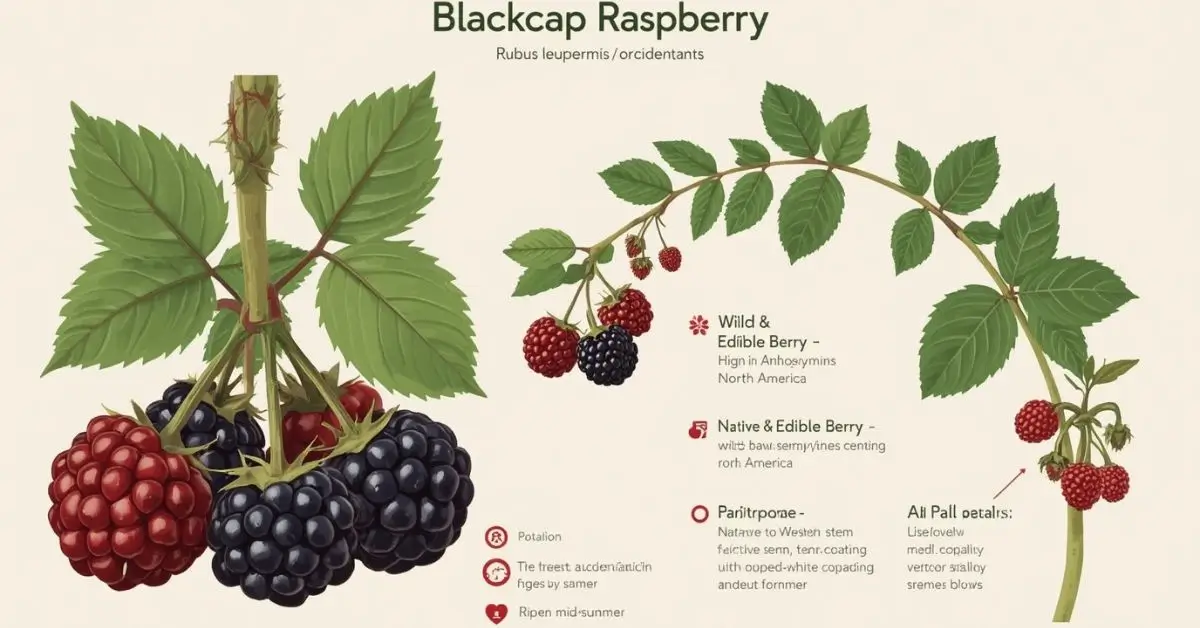
The blackcap raspberry is a lesser-known cousin of the red raspberry, offering a wealth of benefits that span culinary, medicinal, and agricultural realms. Prized for its deep black-purple hue and rich, sweet-tart flavor, the blackcap berry has long captured the attention of gardeners, foragers, and health-conscious individuals alike. This guide explores everything from its characteristics and nutritional value to its uses, cultivation tips, and how it compares to similar berries.
What is a Blackcap Raspberry?
The blackcap berry, scientifically known as Rubus occidentalis, is a wild raspberry native to North America. Unlike its red or golden relatives, this berry is dark in color and typically smaller in size. Its flavor is more intense and complex—somewhere between a black raspberry and blackberry—making it a favorite among chefs and herbalists.
Its resilient nature makes it easy to grow in diverse environments, from forest edges to home gardens. In addition to being a tasty treat, this raspberry species holds a reputation for various health benefits, which we’ll explore in detail below.
History and Cultural Significance
Blackcap raspberries have a storied past. Native American tribes once harvested them for both food and medicine. The berries were consumed fresh or dried for winter use, while the roots and leaves were used to treat ailments like stomachaches and respiratory issues.
By the 19th century, they began gaining attention in European-style gardens and agricultural plots. Their hardy nature and low-maintenance growth habit made them an appealing choice for farmers seeking sustainable fruit crops.
Nutritional Profile of Blackcap Raspberry
This raspberry species is a nutritional powerhouse. Rich in antioxidants, it delivers a concentrated dose of vitamins and minerals that support overall health. Here’s a breakdown of its primary nutrients:
- Vitamin C – Strengthens the immune system and promotes collagen formation
- Vitamin K – Supports bone health and blood clotting
- Fiber – Improves digestion and stabilizes blood sugar levels
- Manganese – Helps with metabolism and antioxidant functions
- Ellagic acid – A potent antioxidant known to combat cellular damage
These nutrients work synergistically to enhance bodily functions and reduce the risk of chronic illnesses.
Health Benefits of Blackcap Raspberry
The health benefits of this raspberry go far beyond their vitamin content. Here are some of the top reasons why you might want to add this superberry to your diet:
Rich in Antioxidants
Blackcap raspberries contain anthocyanins, the same compounds that give them their dark color. These antioxidants help neutralize free radicals, which are linked to aging and various diseases.
May Support Brain Health
Emerging research suggests that berries like blackcap raspberries can improve cognitive function. Their antioxidants may reduce oxidative stress and inflammation in the brain, potentially slowing the onset of age-related decline.
Anti-inflammatory Properties
Inflammation is a root cause of many chronic diseases. The polyphenols in blackcap raspberries are believed to suppress inflammation markers in the body, offering potential relief for conditions like arthritis and cardiovascular disease.
Heart Health Support
With their ability to improve cholesterol profiles and lower blood pressure, these berries contribute to a heart-healthy diet. Their high fiber content also aids in reducing LDL (bad) cholesterol.
Immune System Booster
Thanks to vitamin C and other immune-supportive compounds, blackcap raspberries can help your body fend off infections and recover more quickly from illnesses.
How to Use Blackcap Raspberry
One of the best things about this raspberry species is its versatility. You can enjoy it in a variety of forms:
Fresh Eating
Its bold flavor makes it a great snack on its own or as part of a fruit bowl.
Baking
From muffins and pies to scones and cobblers, the blackcap raspberry adds depth and tartness to baked goods.
Jams and Jellies
Their natural pectin content makes them ideal for preserves, which capture their unique flavor for year-round enjoyment.
Teas and Infusions
Leaves and dried berries are often used in herbal teas that promote digestive and immune health.
Supplements and Extracts
Blackcap berry extract is available in capsule form and is commonly marketed for its antioxidant properties.
Growing Blackcap Raspberry at Home
Cultivating blackcap berry plants in your own garden is surprisingly simple. They thrive in USDA zones 4–8 and require only basic care once established.
Soil and Sunlight
- Prefer loamy, well-drained soil with a slightly acidic pH
- Full sun is ideal, though partial shade is tolerable
Watering Needs
Consistent moisture is key during the growing season, but avoid overwatering to prevent root rot.
Pruning Tips
Prune old canes after fruiting to encourage new growth. Support the plants with trellises for better air circulation and fruit yield.
Pest Management
Watch out for aphids, spider mites, and raspberry cane borers. Use organic methods like neem oil or companion planting to deter pests naturally.
Comparing Blackcap Raspberry with Other Berries
| Feature | Blackcap Raspberry | Red Raspberry | Blackberry | Blueberry | Mulberry |
| Cost | Moderate | Low | Moderate | High | Low |
| Efficiency | High yield per plant | Medium | Medium | Medium | High |
| Ease of Use | Easy to grow & pick | Very easy | Can be thorny | Requires acidic soil | Can stain hands |
| Scalability | Suitable for gardens | Farm & garden use | Requires space | Best in orchards | Suitable for backyard |
| Benefits | Antioxidant-rich | Rich in fiber | Heart-healthy | Brain health boost | High iron content |
Culinary Inspiration with Blackcap Raspberry
If you’re ready to bring the blackcap berry into your kitchen, here are a few recipe ideas:
Blackcap Raspberry Smoothie
Blend frozen berries with almond milk, banana, and chia seeds for a refreshing antioxidant-rich beverage.
Berry-Infused Vinaigrette
Crush blackcap raspberries with balsamic vinegar, olive oil, and a dash of honey for a tangy salad dressing.
Rustic Blackcap Tart
Layer a pastry crust with fresh blackcap raspberries, sugar, and lemon zest. Bake until golden for a rustic dessert.
Fermented Berry Soda
Use the natural sugars in blackcap raspberries for homemade fermented sodas packed with probiotics.
Economic and Environmental Value
Besides their health and culinary appeal, blackcap raspberries also bring value to ecosystems and local economies.
Pollinator-Friendly
Their blossoms attract bees and butterflies, supporting biodiversity in gardens and wild spaces.
Low Input Requirements
These berries require minimal chemical input and water, making them ideal for sustainable agriculture.
Market Demand
Specialty markets often pay a premium for blackcap raspberries, particularly when organically grown or wild-harvested.
Foraging Tips for Wild Blackcap Raspberry
Wild blackcap raspberries grow prolifically in forests, meadows, and along trails. If you choose to forage them, keep the following tips in mind:
- Identify the plant carefully—look for arching canes with light-colored undersides
- Harvest in early to mid-summer when berries pull easily from the stem
- Wear gloves to protect from thorns and insects
- Avoid areas exposed to pesticides or roadside pollution
Always forage responsibly by taking only what you need and leaving enough for wildlife and regrowth.
The Future of Blackcap berry in Agriculture
As consumers continue to seek natural, nutrient-dense superfoods, the blackcap berry is poised for a resurgence. More farmers are exploring its cultivation due to its resilience, market value, and growing demand in herbal and culinary industries.
From small-scale garden plots to commercial organic farms, the future of this berry looks promising. It may even become a staple in vertical farming or urban agriculture models thanks to its high yield in limited space.
Conclusion
In conclusion, the blackcap raspberry stands out not just for its bold flavor and striking color but also for its multitude of health and environmental benefits. Whether you’re growing it in your backyard, foraging in the wild, or simply enjoying it in a smoothie, this berry deserves a place in your life. Its antioxidant profile, ease of cultivation, and culinary versatility make it a truly underrated superfruit.
FAQs
What is the difference between blackcap raspberry and black raspberry?
While often used interchangeably, blackcap raspberry specifically refers to Rubus occidentalis, a species native to North America. Black raspberry can sometimes refer to similar berries, but blackcap has a distinct color, taste, and growth habit.
Are blackcap raspberries good for you?
Yes, they are packed with antioxidants, vitamins C and K, and fiber. These nutrients contribute to heart health, brain function, and immune support.
Can I grow blackcap raspberries in containers?
Yes, blackcap raspberries grow well in large containers if provided with ample sunlight, drainage, and support structures. Pruning is essential to keep them manageable.
When is the best time to harvest blackcap raspberries?
Late June to early July is typically the best time, depending on your location. The berries are ripe when they are deep purple-black and come off the stem with ease.
Are blackcap raspberries invasive?
In some areas, they can spread quickly if not managed. Regular pruning and barrier methods can help control their growth in garden settings.
How do I store blackcap raspberries after picking?
Refrigerate immediately in a breathable container. Use within 3–5 days for best flavor, or freeze them for longer storage without washing until ready to use.
Sonrava Health is reshaping how communities experience dental care across the United States. At a time when access, affordability, and patient comfort matter more than ever, this dental support organization focuses on creating a reliable and efficient care network. Instead of operating as a traditional single clinic, Sonrava Health supports multiple dental brands and offices, helping them deliver consistent and high-quality services. With a strong emphasis on patient-centered dentistry, innovation, and operational excellence, the company continues to grow its footprint in modern healthcare.
What Is Sonrava Health?
Sonrava Health is a dental support organization that partners with affiliated dental practices to provide administrative, operational, and strategic support. By handling non-clinical responsibilities such as billing, staffing coordination, marketing, and compliance, the organization allows dentists to focus fully on patient care. This model improves efficiency while maintaining clinical independence at the practice level.
The company supports thousands of dental professionals across multiple states, making it one of the significant players in the dental services industry. Its approach blends business expertise with healthcare management, ensuring that patients receive consistent service standards. Through centralized systems and advanced technology, Sonrava Health strengthens both patient outcomes and practice performance.
A Network of Trusted Dental Brands
One of the key strengths of Sonrava Health lies in its network of affiliated dental brands. The organization supports well-known names such as Western Dental & Orthodontics and Brident Dental & Orthodontics, which serve diverse communities. These brands offer general dentistry, orthodontics, oral surgery, pediatric dentistry, and cosmetic procedures under one roof.
By working with established dental providers, Sonrava Health ensures patients have access to comprehensive oral healthcare services in convenient locations. The network model allows standardized quality control while respecting the clinical judgment of licensed dentists. This balance of structure and flexibility supports long-term growth and patient satisfaction.
Focus on Accessible and Affordable Care
Access to affordable dental care remains a major concern in many communities. Sonrava Health addresses this challenge by supporting practices that accept a variety of insurance plans, including Medicaid and managed care programs. This helps families, children, and underserved populations receive essential oral healthcare without financial strain.
The organization also encourages flexible payment options and transparent pricing models. By streamlining administrative processes and improving operational efficiency, affiliated clinics can reduce overhead costs and pass savings to patients. This commitment to affordability strengthens community trust and expands care access.
Commitment to Quality and Technology
Modern dentistry relies heavily on innovation, and Sonrava Health integrates advanced dental technology across its supported practices. Digital imaging, electronic health records, and modern diagnostic tools enhance accuracy and treatment planning. These systems improve workflow efficiency while ensuring a safer and more comfortable patient experience.
Quality assurance is another core focus. The organization provides compliance guidance, training resources, and operational oversight to maintain high standards. Through continuous improvement strategies, affiliated clinics remain aligned with evolving healthcare regulations and patient care best practices.
Career Opportunities and Professional Growth
Sonrava Health also plays an important role in supporting dental professionals. Dentists, hygienists, assistants, and administrative staff benefit from structured career pathways, training programs, and leadership opportunities. This environment encourages long-term professional growth within a stable healthcare network.
By offering operational support and collaborative systems, the organization reduces the business burden on clinicians. This allows dental professionals to concentrate on delivering high-quality care while advancing their careers. A strong workforce directly contributes to better patient outcomes and consistent service standards.
Community Impact and Long-Term Vision
Beyond business operations, Sonrava Health aims to improve overall oral health awareness in the communities it serves. Preventive dentistry, early diagnosis, and patient education are central to its mission. By encouraging routine checkups and proactive treatment, affiliated practices help reduce long-term dental complications.
The organization’s long-term vision focuses on sustainable growth, innovation in dental services, and expanded access to underserved populations. As the dental industry continues to evolve, Sonrava Health positions itself as a forward-thinking healthcare partner that blends operational strength with compassionate patient care.
Conclusion
Sonrava Health represents a modern model of dental support that combines operational expertise with patient-centered values. By partnering with trusted dental brands, integrating advanced technology, and prioritizing affordability, the organization strengthens community access to quality oral healthcare. Its commitment to professional development and compliance ensures stability within a rapidly changing healthcare landscape. For patients seeking reliable dental services and for professionals pursuing structured career growth, Sonrava Health stands as a trusted and forward-looking name in the dental services industry.
FAQs
What is Sonrava Health?
Sonrava Health is a dental support organization that provides administrative and operational services to affiliated dental practices.
Does Sonrava Health provide direct dental treatment?
No, it supports dental clinics and brands, while licensed dentists deliver the actual clinical care.
What services are offered within its network?
Affiliated practices offer general dentistry, orthodontics, pediatric care, cosmetic treatments, and oral surgery.
Is Sonrava Health focused on affordable care?
Yes, many supported clinics accept various insurance plans and provide flexible payment options.
Where does Sonrava Health operate?
It operates across multiple U.S. states through its network of affiliated dental brands.


The Tina Jones HEENT Shadow Health assessment is one of the most important modules in the Shadow Health Digital Clinical Experience (DCE) for nursing students. It focuses on the Head, Eyes, Ears, Nose, and Throat (HEENT) examination and helps learners develop hands-on clinical reasoning, data collection, and patient interaction skills through a virtual environment.
In this assessment, students interact with a simulated patient, Tina Jones, to gather both subjective and objective data. This experience is designed to prepare students for real-life patient encounters by emphasizing communication, observation, and assessment skills.
What Is the Tina Jones HEENT Shadow Health Assessment?
The Tina Jones HEENT Shadow Health module is an interactive simulation where you perform a focused assessment of the patient’s head, eyes, ears, nose, and throat. You collect health history, perform examinations, identify abnormalities, and document findings—just as you would in a real clinical setting.
Tina Jones is a 28-year-old patient presenting with mild nasal congestion and throat discomfort, giving students an opportunity to evaluate both normal and mild abnormal findings in a controlled digital environment.
Objectives of the Assessment
The main goal of the Tina Jones HEENT Shadow Health simulation is to enhance clinical competence and patient-centered communication. By completing this activity, students learn to:
-
Conduct a thorough health history relevant to HEENT.
-
Use correct examination techniques to assess each component.
-
Identify and interpret normal versus abnormal findings.
-
Document data accurately and provide education based on findings.
Through this process, students build confidence and learn how to connect theoretical knowledge with real-world application.
Step-by-Step Guide to Completing the HEENT Assessment
1. Establish Communication and Gather Health History
Start your assessment by greeting Tina Jones politely and introducing yourself. Establishing rapport helps her feel comfortable and encourages open communication. Ask open-ended questions such as:
-
“Can you tell me about any discomfort or issues you’re experiencing with your eyes, ears, nose, or throat?”
-
“When did your symptoms start?”
-
“Do you have any allergies or past medical conditions related to the head or neck?”
Tina often reports mild nasal congestion and occasional sore throat, symptoms consistent with seasonal allergies or mild upper respiratory irritation. Always document her responses carefully as subjective data.
2. Head and Face Examination
Inspect the head and face for symmetry, contour, and signs of trauma or deformity. Ask Tina if she has experienced headaches, dizziness, or facial tenderness. Palpate the frontal and maxillary sinuses to check for tenderness.
Typical findings during the Tina Jones HEENT Shadow Health assessment include:
-
Head: Normocephalic, no tenderness, symmetrical.
-
Face: No lesions, swelling, or drooping.
-
Sinuses: No tenderness to palpation.
Document these observations as objective data since they indicate normal health.
3. Eye Examination
The eye exam focuses on evaluating visual health and neurological function. Start by assessing visual acuity and observing external structures like the sclera, conjunctiva, and pupils.
Use the PERRLA method (Pupils Equal, Round, Reactive to Light and Accommodation) to assess pupil response. Tina’s typical findings are:
-
Pupils equal and reactive to light.
-
Sclera white, conjunctiva pink and clear.
-
No visual disturbances or eye pain.
| Eye Assessment Components | Expected Normal Findings |
|---|---|
| Visual acuity | Normal vision, no blurriness |
| Conjunctiva and sclera | Pink conjunctiva, white sclera |
| Pupil reaction (PERRLA) | Equal and responsive |
| Eye movements | Smooth and coordinated |
These results demonstrate a healthy ocular system and intact cranial nerves.
4. Ear Assessment
Inspect and palpate the external ear structures for lesions, redness, or discharge. Ask Tina about any hearing loss, tinnitus, or ear pain. Perform a quick whisper test to assess hearing acuity.
In most Tina Jones HEENT Shadow Health cases, findings are:
-
External ears symmetrical and intact.
-
No pain or discharge.
-
Hearing intact bilaterally.
If any earwax buildup or discomfort is present, document it and educate the patient about safe ear hygiene practices.
5. Nose and Sinus Examination
Next, assess Tina’s nasal structure and mucosa. Use a penlight to inspect inside the nostrils for redness, swelling, or discharge. Ask about nasal congestion, drainage, or allergies.
You may find mild nasal congestion and clear discharge, which are common in allergy-related cases. Palpate the sinuses for tenderness. Tina usually denies sinus pain, indicating no infection.
| Nasal Assessment Area | Common Finding | Interpretation |
|---|---|---|
| Nasal mucosa | Pink, moist | Healthy tissue |
| Septum | Midline, intact | Normal alignment |
| Sinuses | No tenderness | No sinus infection |
6. Mouth and Throat Examination
Inspect the lips, teeth, gums, tongue, tonsils, and pharynx. Ask if Tina has any difficulty swallowing or sore throat.
Her typical findings include slightly red pharynx, tonsils 1+, and moist oral mucosa. This mild redness usually indicates postnasal drip rather than infection.
Educate Tina about increasing water intake, using saline gargles, and avoiding irritants like smoke or strong fragrances.
Interpreting Common Findings in the Tina Jones HEENT Assessment
| Area | Typical Finding | Possible Interpretation |
|---|---|---|
| Head | Symmetrical, normocephalic | Normal anatomy |
| Eyes | PERRLA, conjunctiva clear | No visual disorder |
| Ears | Hearing intact | No hearing loss |
| Nose | Mild congestion | Seasonal allergies |
| Throat | Slight redness | Postnasal drip |
Understanding these findings helps you differentiate between benign conditions and those requiring further evaluation.
Documentation and Patient Education
Accurate documentation is essential in the Tina Jones HEENT Shadow Health module. Record both subjective data (patient-reported symptoms) and objective data (observed findings). Use correct medical terminology and avoid assumptions.
For patient education, advise Tina to:
-
Stay hydrated to reduce throat irritation.
-
Use a humidifier to ease congestion.
-
Avoid allergens and keep the environment clean.
-
Seek medical care if symptoms persist or worsen.
Document all teaching points and the patient’s understanding in your charting section.
Tips for Success in the Shadow Health HEENT Assessment
To perform well in the Tina Jones HEENT Shadow Health simulation, preparation and attention to detail are key. Review the anatomy and physiology of the head and neck region before starting. Take your time to ask all relevant questions—completeness affects your Digital Clinical Experience (DCE) score.
When documenting, make sure your statements are concise, objective, and free from judgmental language. Use the simulation’s checklists to verify you haven’t missed any component of the assessment.
Summary
The Tina Jones HEENT Shadow Health assessment is an excellent opportunity for nursing students to strengthen their clinical judgment, data collection, and communication skills. By understanding how to conduct a thorough head, eyes, ears, nose, and throat exam, learners gain confidence that translates to real-world patient care.
Mastering this module requires good preparation, active listening, and clear documentation. When completed effectively, it enhances your clinical readiness and overall nursing competence.
FAQs
1. How long does the Tina Jones HEENT Shadow Health assessment take to complete?
Typically, it takes between 45 to 60 minutes depending on your familiarity with HEENT systems.
2. Can I repeat the assessment to improve my score?
Yes, most nursing instructors allow multiple attempts to help you improve your DCE performance.
3. Are Tina Jones’s symptoms always the same?
They may vary slightly based on your responses and the simulation version, but the main findings remain consistent.
4. Do I need to use specific medical terminology in documentation?
Yes, using professional nursing and medical terminology improves clarity and grading accuracy.
5. What percentage of my course grade is this assessment worth?
This depends on your nursing program, but it typically contributes around 5–10% of your clinical evaluation score.
dow health
-

 GENERAL8 months ago
Robert Hubbell Wikipedia: What’s His 2025 Biography Guide?
-

 EDUCATION10 months ago
Jay Kuo Substack: Unpacking the Voice of Legal Insight
-

 GENERAL10 months ago
Chris Hedges Substack: A Voice of Dissent in the Digital Age
-

 TECHNOLOGY10 months ago
How to Cancel Substack Subscription
-

 ENTERTAINMENT10 months ago
Tyler the Creator Dad Truth
-

 GENERAL10 months ago
Max Azzarello Substack: Inside the Mind of a Radical Truth-Seeker
-

 GENERAL10 months ago
Dream Cake: A Decadent Delight Worth Savoring
-

 EDUCATION10 months ago
Economic Blackout Results: The Financial Domino Effect